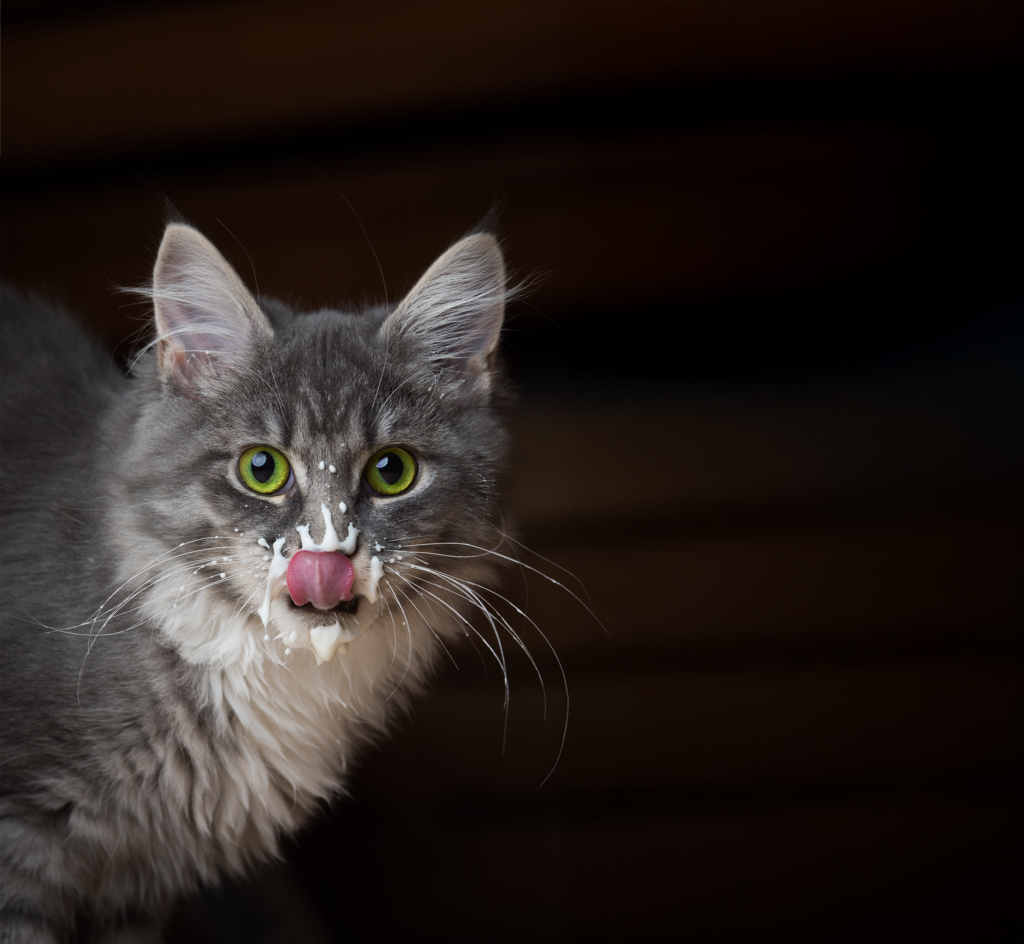
If you’re searching for a complete, balanced diet for your new kitten, foods fortified with goat milk are well worth considering.
From birth through roughly four weeks of age, a kitten’s nutrition comes almost entirely from their mother’s milk, or a suitable milk substitute in some cases.
As they reach 4-8 weeks old, kittens can begin transitioning to eating solid foods.
During this time, continuing to incorporate milk, either mixed into meals or offered as a supplement, can help ease that transition. Milk is gentle on developing stomachs and helps keep kittens content and comfortable as they explore a broader diet.
Goat milk is an excellent option for cat parents during this stage. Compared to many other animal-derived milks, it’s higher in protein, lower in lactose, and more nutrient-dense, making it a thoughtful choice for growing kittens.
Explore why goat milk is uniquely suited for kittens, the key nutrients that support digestion and development, and how it’s safely incorporated into our food formulas.
High in Protein
Goat milk naturally contains a robust profile of protein and amino acids. While kittens primarily rely on meat-based protein, supplementing their diet with additional protein sources can be beneficial.
Protein plays a critical role in tissue repair and muscle development, supporting the boundless energy of active, growing kittens.
Rich in Essential Nutrients
Goat milk provides important minerals that support strong bones, teeth, and healthy muscle function including calcium, phosphorus, and potassium.
It’s also a natural source of vitamin A, which supports eye health as well as proper nervous and immune system function. In addition, goat milk contains B vitamins that help support metabolism and maintain healthy skin.
Digestive Boost
Digestive health is a cornerstone of kitten nutrition, especially during early development when new foods and new environments can sometimes cause gastrointestinal stress.
Choosing foods specifically formulated for kitten growth helps ensure they feel safe, comfortable, and happy at mealtime. Because goat milk is lower in lactose than cow’s milk, it’s generally easier for kittens to digest, providing gentle, effective digestive support.
A Natural Source of DHA
Supporting kitten health goes beyond the basics. Foods that include goat milk offer a natural source of DHA, an essential Omega-3 fatty acid.
DHA helps support healthy vision, promotes a soft, shiny coat, and contributes to healthy skin so your kitten looks just as good as they feel!
Fussie Cat’s kitten recipes are thoughtfully crafted with the expertise of board-certified Companion Animal Nutritionists. Each recipe delivers growth-focused nutrition that balances the benefits of ingredients like pumpkin with high-quality animal protein, goat milk supporting overall wellness, healthy development, and a long, happy life.
Not just for kittens! Check out all the Fussie Cat goat milk products in our menu.